

12 Low Mess Rainy Day Science Activities Parents and Teachers Can Run
Ten indoor experiments cover the water cycle, chemistry, and physics using materials already in your kitchen. Try the water cycle in a bag, a cloud in a jar, a homemade rain gauge, and a shaving cream rain cloud, plus egg-density tests and a baking soda volcano. Most take 15 to 45 minutes, fit ages 4 to 12, and need only light adult supervision.
TL;DR:
- The water cycle in a bag can be observed overnight, but seal it tightly and use warm light or a radiator if it shows no activity.
- The cloud in a jar creates visible condensation that requires carefully spraying hairspray and using ice for a better effect, with room lighting adjustments.
- The water gauge provides ongoing data collection during rainstorms, turning a simple measurement into a prolonged science project.
- Low-mess activities like the shaving cream rain cloud and sink-or-float challenges are suitable for young children and require minimal supervision.
- Longer experiments such as crystal growing or electrolysis need adult involvement and may take several days to see results.
Table of Contents
- Rainy Day Science Activities That Actually Work Indoors
- What You Need Before You Start
- Matching the Activity to the Kid
- Why Story-Led Experiments Stick With Reluctant Readers
- What Actually Matters When You’re Picking Rainy-Day Science
- A Low-Prep Companion for Rainy Afternoons
- Where to Find Full Protocols and Teacher Notes
- Sources
- FAQ
Rainy Day Science Activities That Actually Work Indoors
Some of these run in ten minutes. Others need a full day of watching and waiting, which turns out to be part of the appeal. Below are 12 tested formats, ordered roughly by age and mess level, with the materials, the science behind each one, and a fix for when it doesn’t go as planned the first time.
Pro Tip: Run one “quick win” experiment first (the volcano or the rain cloud), then move to a slower one like the water cycle bag. Kids stay engaged with the fast payoff while the slow experiment works in the background.
1. Water Cycle in a Bag
Fill a sealable plastic bag partway with water, add a drop of blue food coloring, seal it, and tape it to a sunny window. Over several hours you’ll see droplets form and slide down, mimicking evaporation, condensation, and runoff in miniature. On a gray, rainy day, tape the bag near a warm lamp or radiator instead. If nothing happens by evening, the bag likely isn’t sealed tight enough to trap vapor. Extension: label the bag with the water cycle stages using a dry-erase marker and check it again the next morning.
2. Cloud in a Jar
Pour very hot (not boiling) tap water into a clear jar, cover with a lid, and let it sit for 20 seconds. An adult lifts the lid, sprays a quick burst of hairspray inside, and reseals it. Placing ice on top of the lid speeds up the visible cloud effect since the cold surface forces water vapor to condense. Skip an open flame entirely; hairspray gives a safer particle source than a match. If the cloud looks thin, try a second burst and dim the room lights to see it better.
3. DIY Rain Gauge
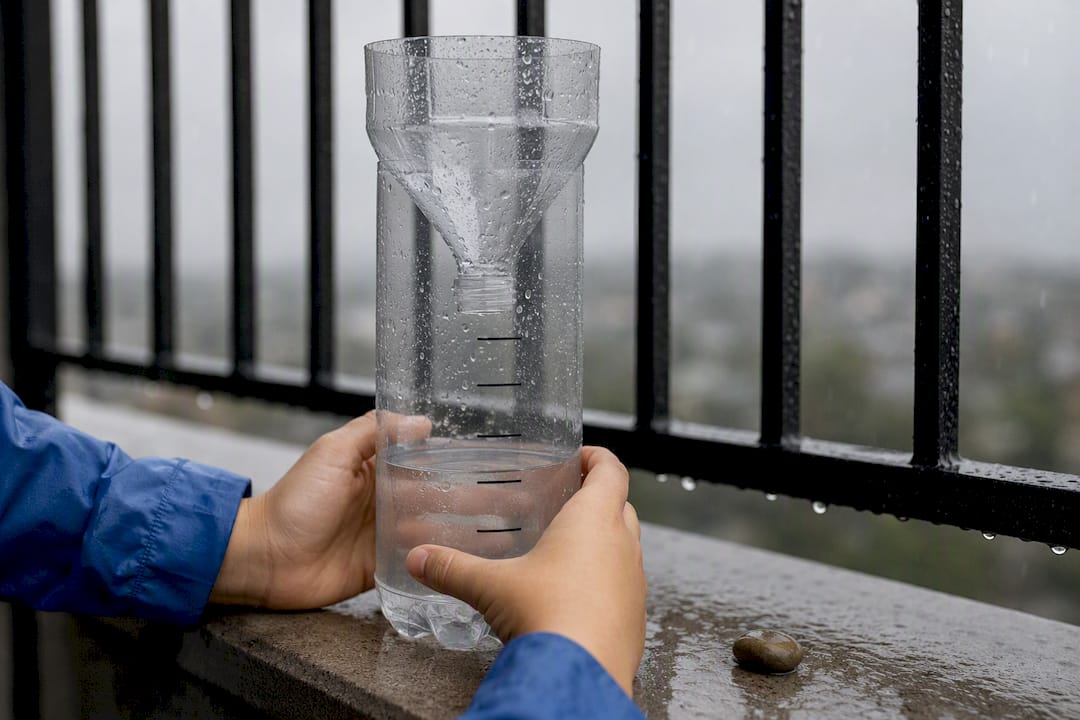
Cut the top off a clear plastic bottle, invert it into the base like a funnel, and mark measurement lines in centimeters with a permanent marker. Set it outside during the next real rainfall and check it at set intervals. Kids can graph daily totals over a week and compare wet days to dry ones, which turns a single afternoon activity into an ongoing data project.
4. Shaving Cream Rain Cloud
Fill a clear glass with water, top it with a layer of shaving cream “cloud,” then drip food coloring onto the foam until it saturates and falls like rain. It’s one of the lowest-mess entries on this list since spills stay contained in the glass. For rain art, drop the same colored water onto coffee filters or paper towels and watch the colors bleed and blend.
5. Tornado in a Bottle
Fill a bottle two-thirds with water, add a drop of dish soap, screw the cap on tight, and flip it quickly in a circular motion. The water forms a spinning vortex that demonstrates centripetal force. Make sure the cap is sealed before flipping, since a loose cap turns this into a floor-mopping exercise instead of a physics lesson.
6. Baking Soda Volcano
Mix baking soda and dish soap in a small bottle, then pour in vinegar and step back. The reaction produces carbon dioxide gas, which is what creates the foamy eruption. For a related self-inflating balloon version, stretch a balloon over a bottle containing vinegar and baking soda instead of pouring them together directly.
7. Capillary Action Color Flowers
Stand white carnations or celery stalks in cups of water dyed with food coloring and check back in a few hours. The color travels up through the plant’s stem via capillary action, showing kids how plants move water without a pump. Paper towel strips dipped partway into colored water work as a faster, five-minute alternative for younger kids.
8. Crystal Growing
Dissolve sugar or salt into hot water until no more will dissolve, then suspend a string in the solution using a pencil laid across the cup’s rim. Sugar crystals form within a few days; salt crystals form faster but grow smaller. Seeding the string with a few crystals beforehand speeds up the process and gives shy crystals a starting point to grow from.
9. Cabbage Juice Acid-Base Test
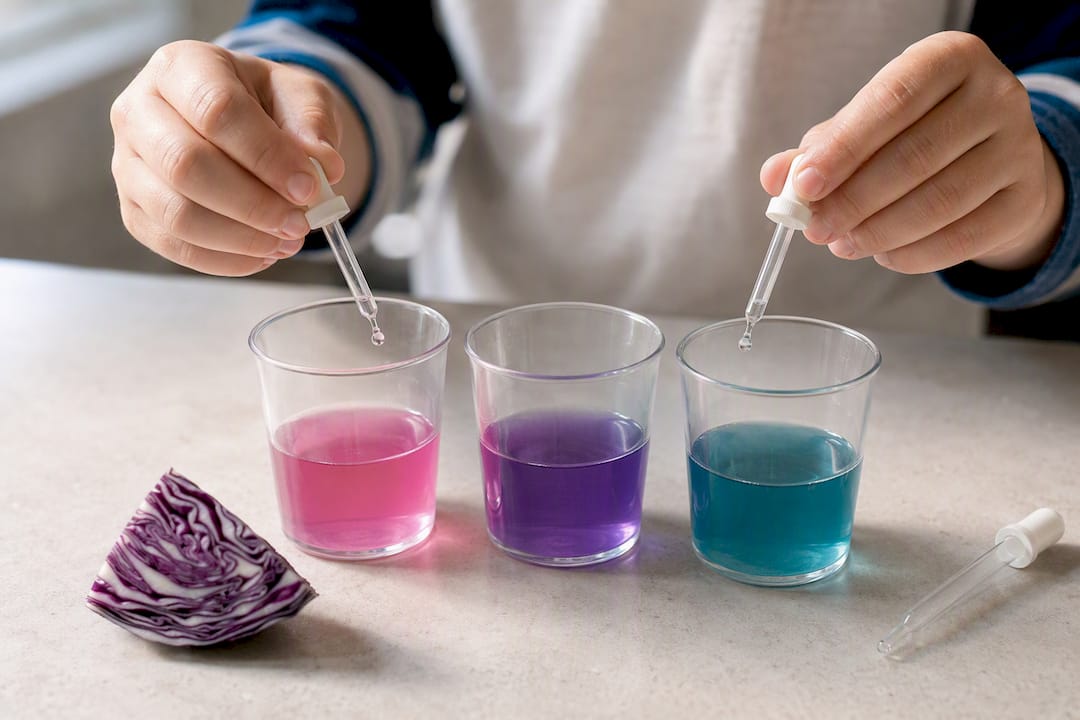
Boil red cabbage, strain the purple liquid, and pour small amounts into clear cups. Add household liquids like lemon juice, baking soda water, or dish soap and watch the indicator shift from pink (acidic) to blue-green (basic). Clear cups matter here since color shifts can be subtle and easy to miss in tinted glass.
10. Indicating Electrolysis
This one’s for ages 9 to 12 with an adult running the setup. Using a 9-volt battery, two electrodes, Epsom salts, and a pH indicator solution, kids can watch gas bubbles form and local pH shift near each electrode. Goggles are required, and Epsom salt is used instead of table salt to avoid producing chlorine gas. Keep the battery dry and never let younger siblings handle the electrodes unsupervised.
11. Sink or Float Density Challenge
Fill a glass with water and challenge kids to predict which household objects will sink or float: a grape, a cork, a coin, an ice cube. Then test a “boat” made of aluminum foil and see how much weight it holds before sinking. The results introduce density and buoyancy without any vocabulary lecture required.
12. Shadow and Light Exploration
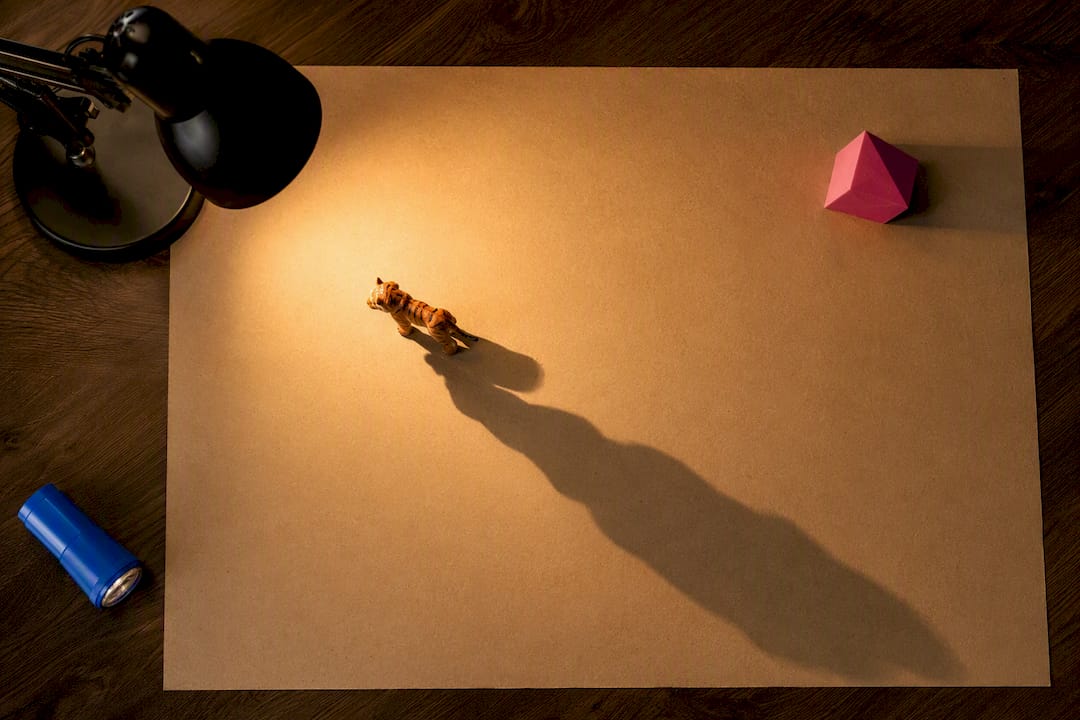
Using a flashlight or desk lamp in a dim room, kids can trace shadows of toys on paper and observe how shadow size and shape change as the light source moves closer or farther away. It’s a low-cost way to explore light behavior, and it works just as well with the overhead sun through a window if the rain lets up for even a few minutes.
What You Need Before You Start
Most of these experiments draw from the same small pool of supplies: clear cups or jars, food coloring, tape, a permanent marker, baking soda, vinegar, dish soap, and a working flashlight. Buying a bag of Epsom salt and a couple of 9-volt batteries covers the more advanced chemistry entries.
- Safety basics: an adult handles hot water, batteries, and any spray products; goggles go on for the electrolysis demo; check for food allergies before using items like cabbage juice or dairy.
- Low-mess setup: work on a plastic tray or cookie sheet, tape down paper towels under jars, and keep a damp cloth within reach before you start, not after something spills.
- Timing: quick demos (volcano, tornado bottle, sink or float) run 10 to 15 minutes. Multi-day projects (crystals, water cycle bag) need check-ins over 24 to 72 hours, so pick a spot where the setup won’t get bumped or tossed out by accident.
Pro Tip: Snap a photo before and after each experiment. Comparing the “before” water cycle bag to the “after” one with visible droplets gives kids a concrete way to talk through what changed and why.
Matching the Activity to the Kid
Age and attention span matter more than the experiment’s difficulty level. A 4-year-old and a 12-year-old can both enjoy the shaving cream rain cloud, but they’ll take completely different things away from it.
- Ages 3 to 5: stick to sensory, visual activities like the rain cloud, shadow play, and sink or float. Skip anything involving batteries or heat.
- Ages 6 to 8: the volcano, tornado bottle, and capillary action flowers hit the sweet spot of cause-and-effect thinking without requiring reading complex instructions.
- Ages 9 to 12: crystal growing, the cabbage juice indicator, and electrolysis (always adult-supervised) introduce controlled variables and real chemistry vocabulary.
- Quick wins vs. long projects: if you only have 15 minutes before dinner, go with the volcano or sink-or-float. If it’s a full rainy Saturday, start the water cycle bag in the morning and check it every few hours.
- Mixed-age groups: pair an older kid with a younger sibling on the rain gauge. One builds it, the other reads the measurements aloud each day.
Why Story-Led Experiments Stick With Reluctant Readers
Pairing a short story prompt with a hands-on task increases follow-through in kids who’d otherwise skip the reading altogether, and that pattern holds especially true for reluctant readers and hands-on learners who need a reason to turn the page. A comic panel that says “mix this now to save the day” gives a kid a reason to act instead of a checklist to ignore, cutting the decision friction that usually kills a good experiment before it starts.
- Story context turns “why am I doing this” into “what happens next.”
- Built-in prompts remove the guesswork of picking which experiment to try.
- For more water-themed follow-ups, see 8 water science experiments kids can start today.
What Actually Matters When You’re Picking Rainy-Day Science
Most rainy-day activity lists optimize for novelty. They chase the flashiest reaction instead of asking whether a kid will remember anything from it a week later. The volcano gets all the attention because it’s loud and messy, but the water cycle bag teaches more durable science precisely because it’s slow. Watching condensation build over three hours forces a kid to actually think about what’s happening, instead of just reacting to a five-second fizz.
The conventional advice treats “low mess” and “educational” as separate boxes to check. They’re not. The best entries on this list, cabbage juice indicators, capillary flowers, sink-or-float density tests, are low mess because they’re built around observation rather than chemical spectacle. Prioritize the experiments that ask a kid to predict an outcome before it happens. That single habit, guessing first, then checking, does more for scientific thinking than any single reaction ever will.
If you’re choosing where to start, skip the impulse to lead with the biggest explosion. Start with something a kid can predict, watch unfold, and explain afterward in their own words.
— Brainie Comics
A Low-Prep Companion for Rainy Afternoons
Brainiecomics gives busy parents and reluctant readers a shortcut past the setup guesswork these experiments require: instead of hunting down instructions and troubleshooting notes yourself, the story tells your kid what to do next, panel by panel.
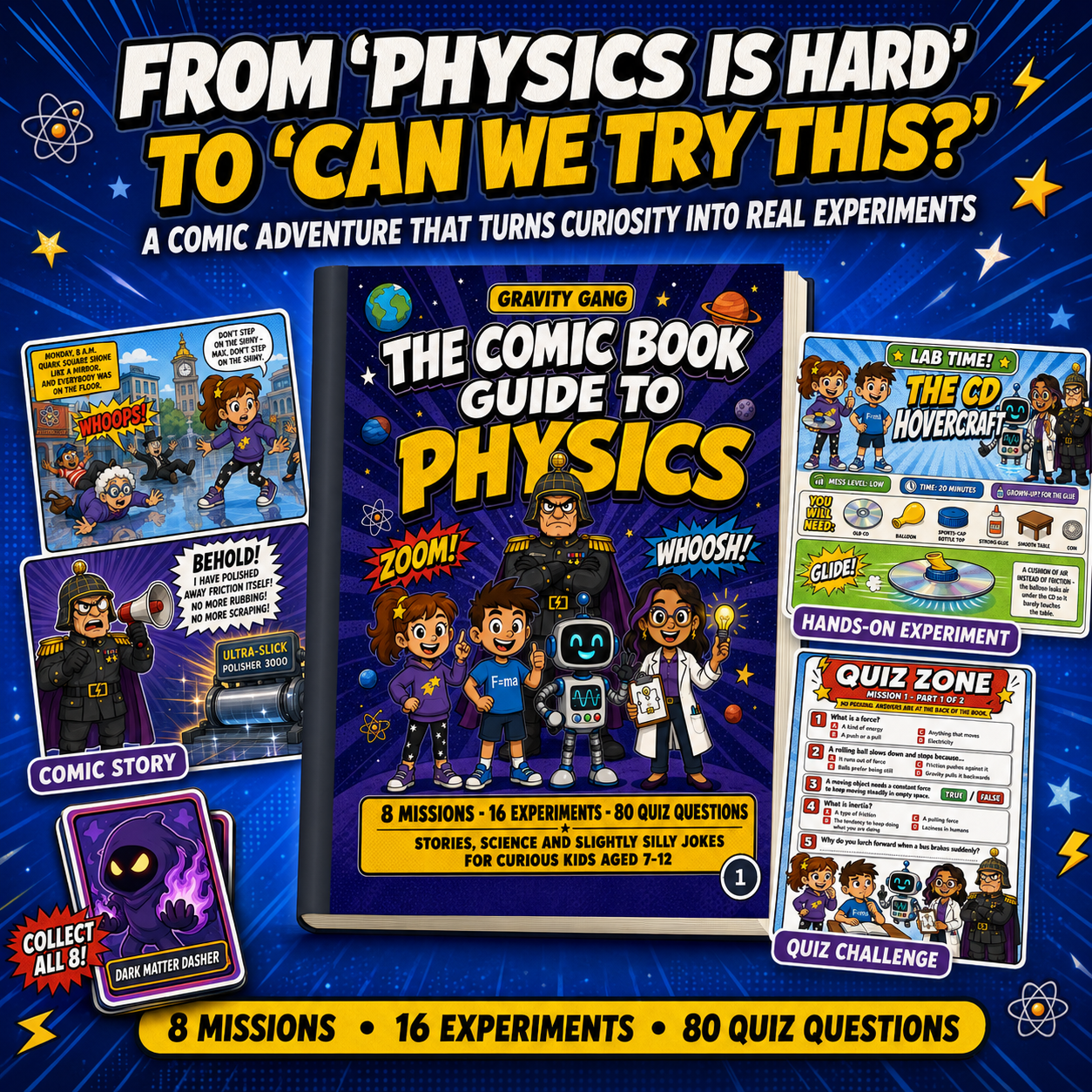
Each book in the Fizz Force and Gravity Gang line pairs an adventure story with step-by-step kitchen experiments, built to require zero screen time and only household items. For a reluctant reader, the built-in prompts remove the “what do I do now” hesitation that stalls out most DIY experiment lists, since the plot itself is the instruction sheet. Every title is $59.95 one-off and backed by Brainiecomics’s 30-day money-back guarantee, so there’s no risk in trying one on the next rainy Saturday. Browse the full comic book collection and pick the science path (chemistry or physics) that matches what your kid is already curious about.
Where to Find Full Protocols and Teacher Notes
- Science Buddies for the complete water cycle bag write-up and troubleshooting.
- NASA JPL Education for the cloud-in-a-bottle protocol.
- Exploratorium for indicating electrolysis safety notes.
- PBS Kids for age-differentiated, low-mess picks.
Sources
- Make a Miniature Water Cycle Model
- Make a cloud in a bottle – NASA JPL Education
- Indicating Electrolysis: Chemistry & Electricity Science Activity | Exploratorium
- Rainy Day Activities | PBS KIDS for Parents
FAQ
What is a fun science experiment about rain?
The cloud-in-a-jar demo is one of the most visual rain-related experiments, showing condensation form in real time using hot water, a jar, and a burst of hairspray as the particle trigger. A DIY rain gauge is a good companion activity since it lets kids measure actual rainfall right after watching how clouds form.
What are some easy science experiments I can do on a rainy day?
The baking soda volcano, sink-or-float density test, and shaving cream rain cloud all take under 15 minutes and use materials most kitchens already have. For a slower option that runs in the background all day, the water cycle in a bag needs almost no active supervision once it’s taped to a window.
What is a fun activity on a rainy day?
Beyond pure experiments, story-led science kits like Brainiecomics’s comic books give kids a narrative reason to run an experiment instead of a plain instruction sheet. Pairing a short story with a hands-on task, whether that’s a comic panel or a printed worksheet, tends to hold a reluctant reader’s attention longer than the experiment alone.
What are 10 activities I can do during the wet season?
A solid rotation includes the water cycle bag, cloud in a jar, DIY rain gauge, shaving cream rain cloud, tornado in a bottle, baking soda volcano, capillary action flowers, crystal growing, a cabbage juice acid-base test, and a sink-or-float density challenge. Spacing these across a rainy week keeps each session under an hour and covers earth science, chemistry, and physics without repeating the same concept twice.
Do these experiments need adult supervision?
Yes, for several of them. Hot water, batteries, hairspray, and any acid-base test involving boiled cabbage juice all call for an adult to handle setup or stay in the room, while lower-risk activities like sink-or-float or shadow play can run with light supervision for older kids.